

get in touch
-32232.png)
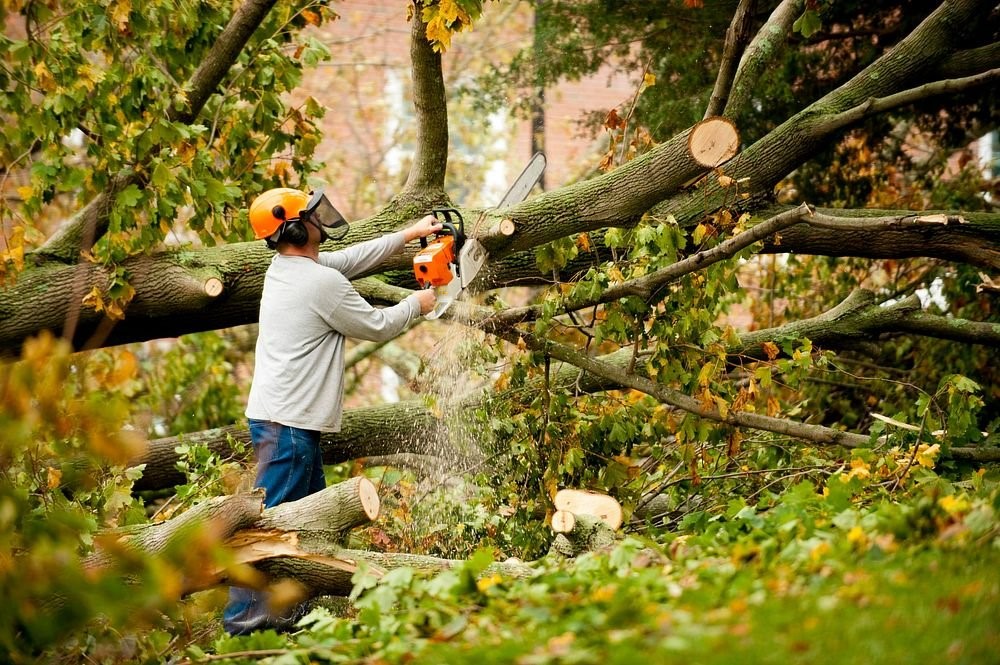
Trees add beauty, shade, and value to your landscape—but when a tree becomes hazardous or unhealthy, it may be doing more harm than good. Knowing when to remove a tree can prevent property damage, improve safety, and open up space for new landscaping opportunities.
At Salas Services, we specialize in safe and efficient tree removal for homeowners across the DFW Metroplex and surrounding areas. Whether you're dealing with storm damage, disease, or overgrowth, here are the most important signs it may be time to say goodbye to a tree.
A tree that no longer produces leaves or shows signs of decay (like brittle branches, bark loss, or fungus growth) is a major red flag. Dead trees:
Removing a dead or dying tree promptly ensures the safety of your home, your family, and neighboring properties.
Some trees naturally lean slightly, but a tree that begins to lean suddenly, especially after a storm or heavy winds, may be structurally compromised. If the roots are lifting or the soil is cracking around the base, the tree is likely at risk of falling and should be inspected immediately.
Our professionals assess the risk and perform tree removal safely without damaging nearby structures.
Tree roots can be powerful—and destructive. They may:
If you notice visible root damage or foundation issues near a large tree, it may be time to consider removal before it causes further problems.
Diseased or infested trees can spread issues to other healthy plants in your yard. Signs include:
While some trees can be treated, others may require removal to stop the spread. We’ll help you evaluate the best course of action.
Sometimes a tree is simply in the wrong spot—too close to your home, power lines, or other trees. Overcrowded landscapes can lead to:
Removing a tree can improve airflow, visibility, and the overall health of your outdoor space.
The DFW area is no stranger to storms and unpredictable weather. If your tree has:
…it may no longer be structurally sound. Damaged trees are often weakened and more likely to fall in future storms. Our team can help assess and remove trees at risk.
Tree removal is dangerous and should always be handled by experienced professionals. At Salas Services, we provide:
We proudly serve the DFW Metroplex and surrounding areas, offering expert tree removal that prioritizes safety, efficiency, and care for your property.

Here are the most common questions client’s usually have for us. Still have more questions? Contact Us.
Yes, we offer emergency tree removal services for situations such as storm damage, fallen trees, or hazardous trees posing an immediate risk. Contact us at [phone number] as soon as possible in case of emergencies, and our team will prioritize your situation.
We can assist you with the process of obtaining permits for tree removal, if required. The need for permits varies based on local regulations and tree preservation ordinances. Our team will guide you through the necessary steps and provide any documentation or information needed for the permit application.
While trees are generally low-maintenance, certain signs indicate the need for professional intervention. Watch out for symptoms such as extensive dead or dying branches, sudden leaf loss, significant pest infestation, leaning or unstable tree structure, or visible signs of disease or decay. If you notice any of these issues, it's best to consult with our skilled arborists.
Several signs indicate that a tree may need to be removed, including significant structural damage, extensive disease or pest infestation, severe leaning, extensive root damage, or proximity to power lines or structures. Our professional arborists can assess the tree's health and safety to determine if removal is necessary.
The frequency of tree trimming or pruning depends on various factors such as tree species, age, and overall health. As a general guideline, it is recommended to have trees pruned every 3-5 years to maintain their shape, promote healthy growth, and remove any hazardous or dead branches.
The ideal time to plant new trees depends on the tree species and climate. In general, spring and fall are the preferred seasons for tree planting as the weather conditions are more favorable for root establishment. However, it's best to consult with our experts who can provide guidance based on your specific location and tree species.

Can’t find the answer you’re looking for? Please chat with our friendly team.


Transform your landscape with our expert tree and lighting services. Our skilled team creates captivating outdoor spaces that radiate beauty and invite enjoyment.
